Strategic Autonomy vs. Strategic Partnership India’s Tightrope Walk During the Trump Era
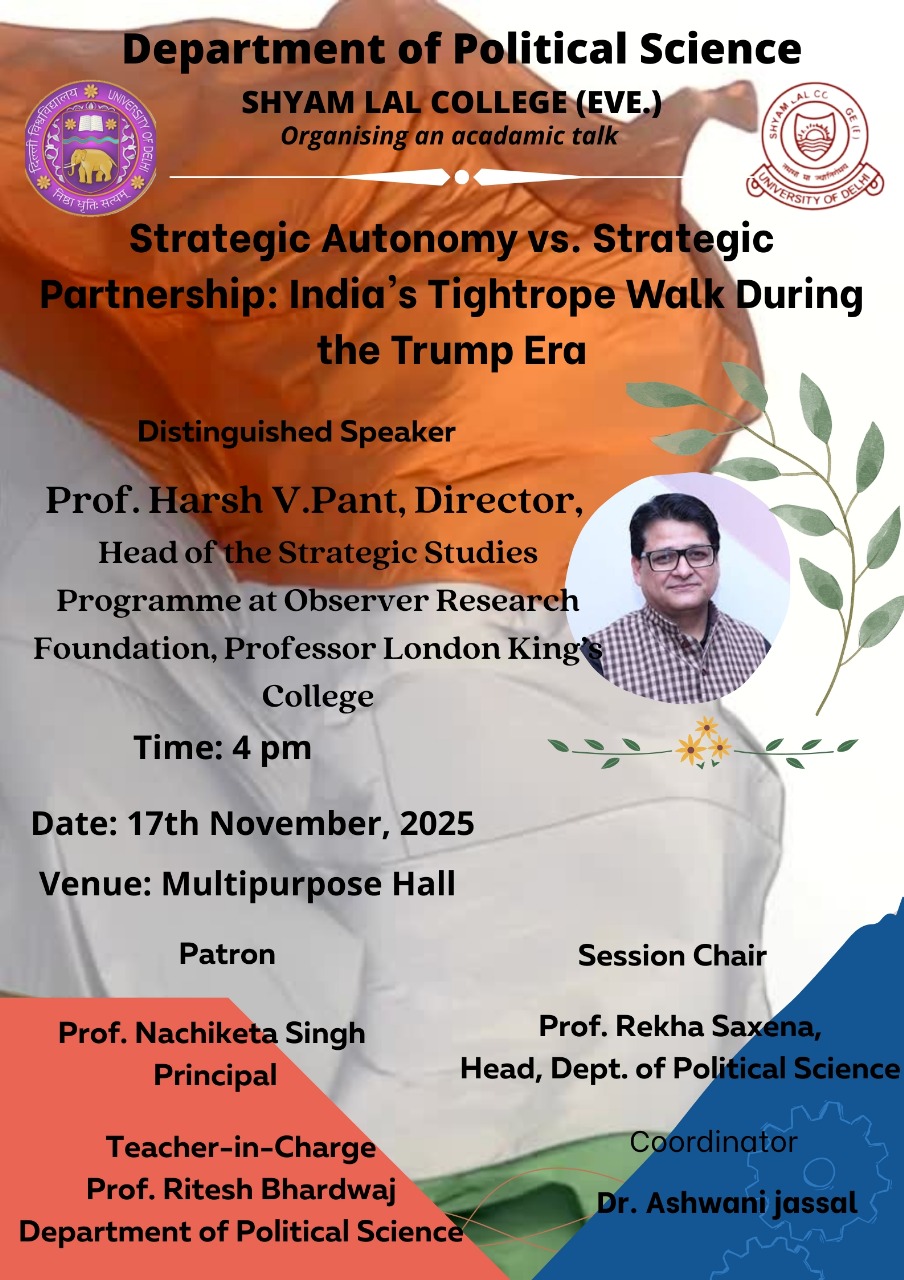
Organised by: Department of Political Science
Date: 17th November 2025
Venue: Seminar Hall
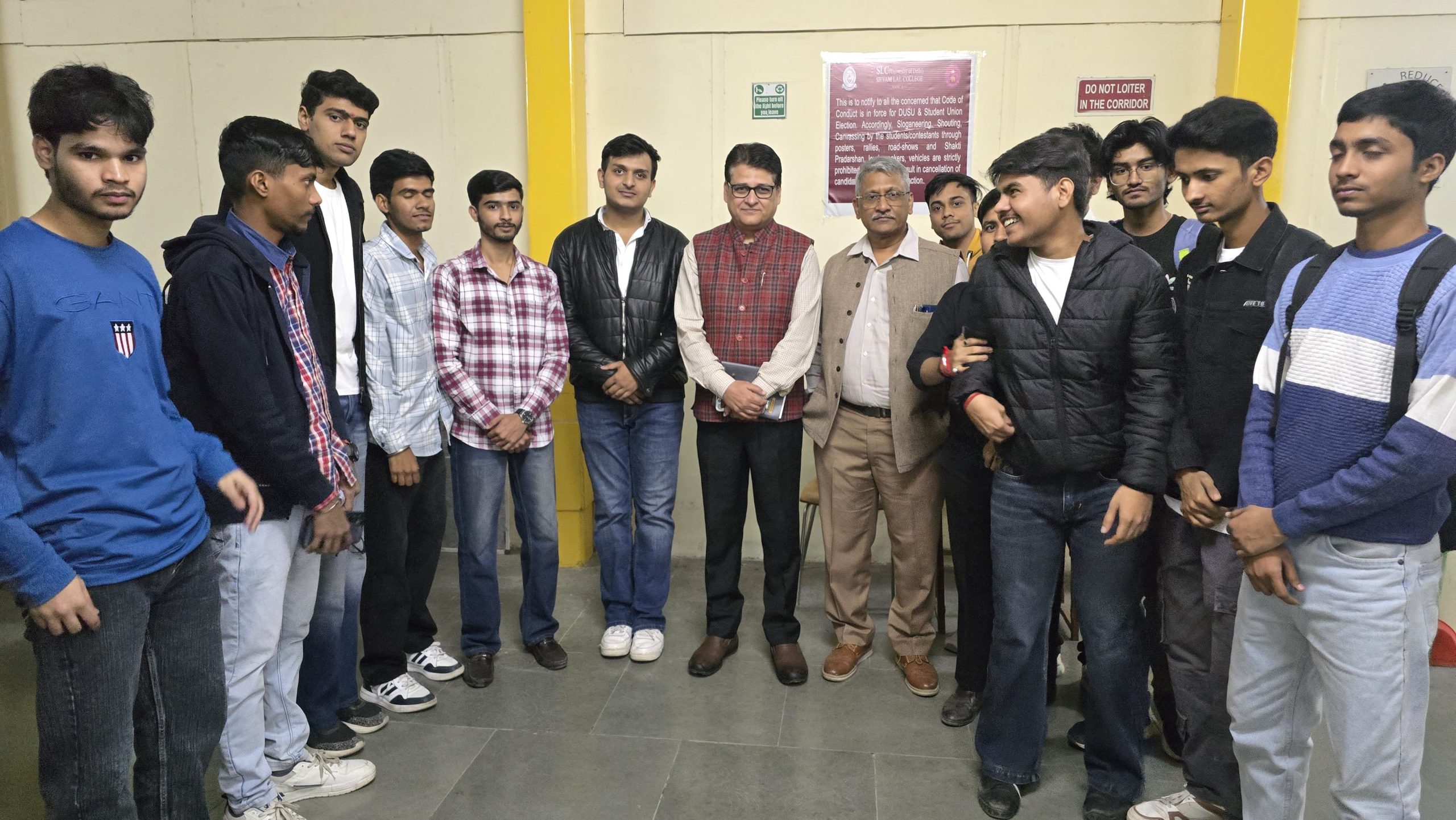
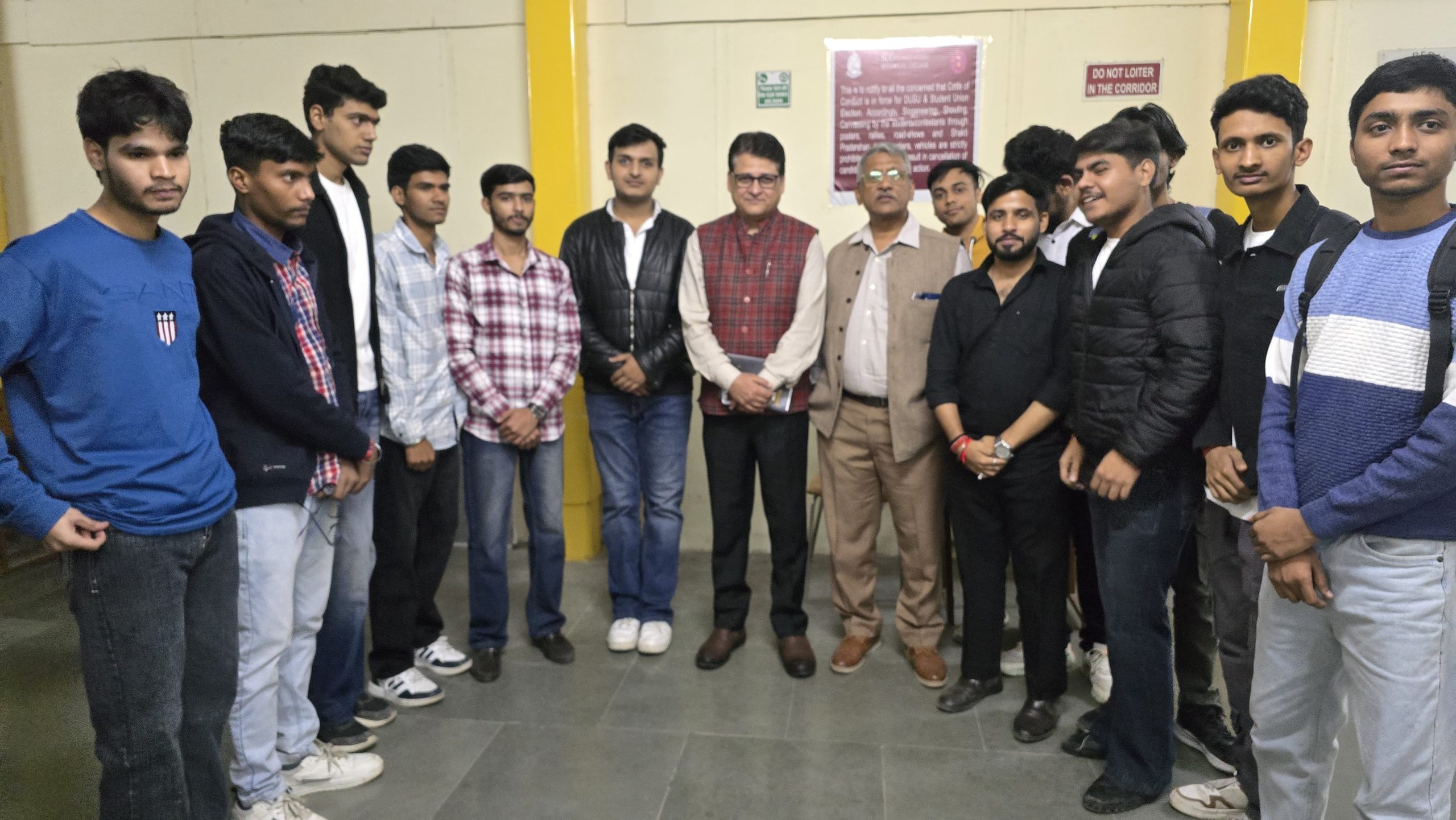
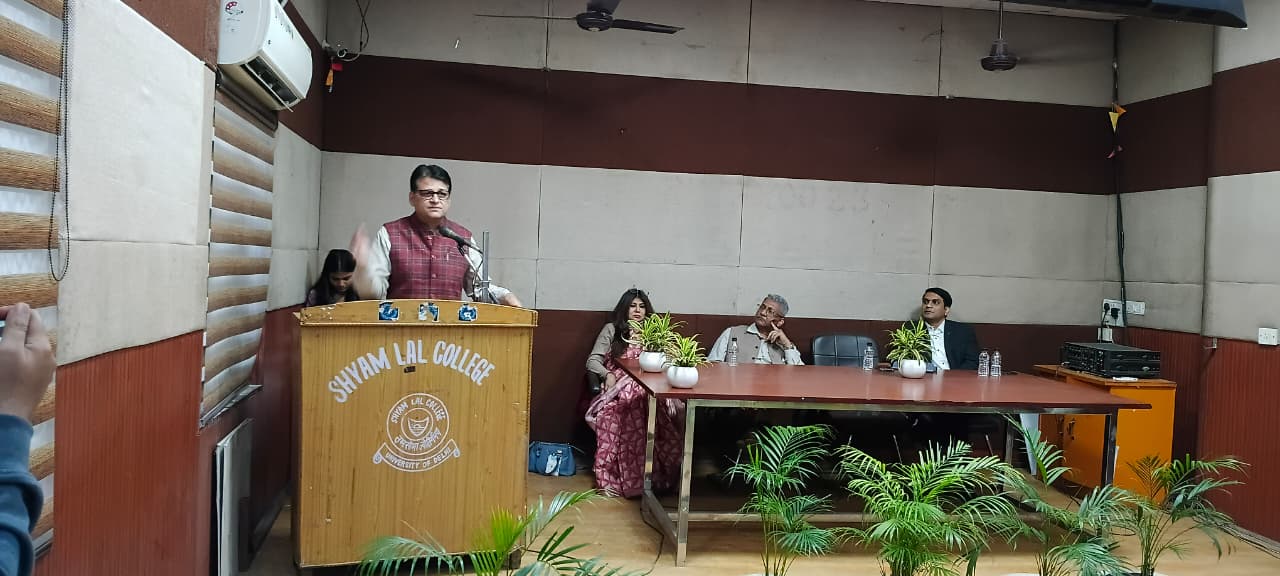
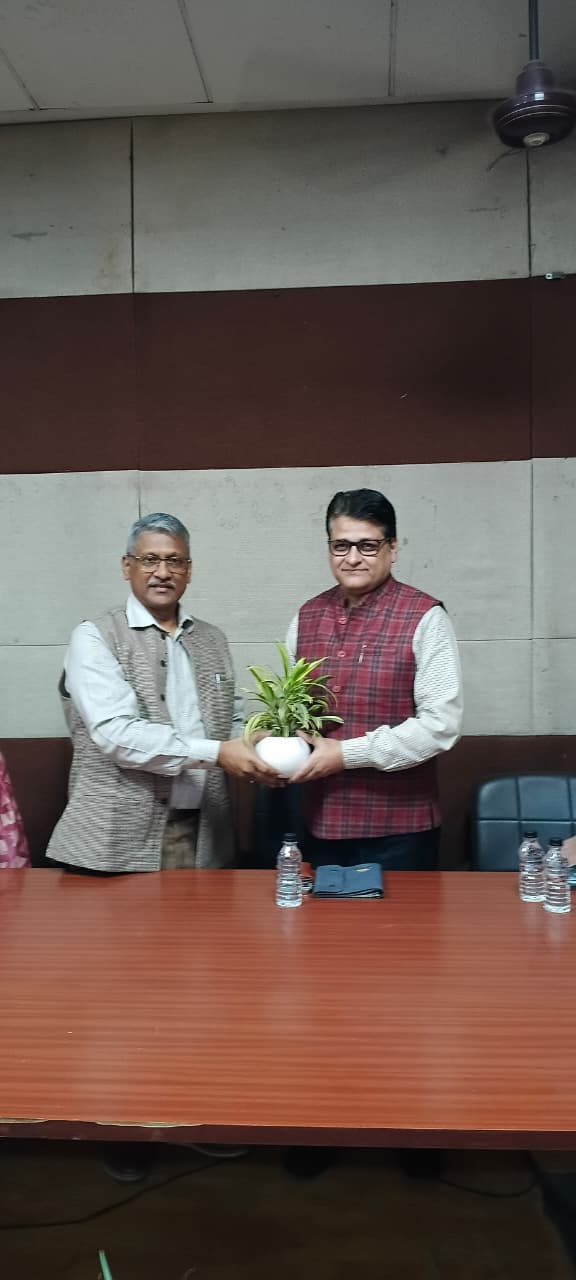
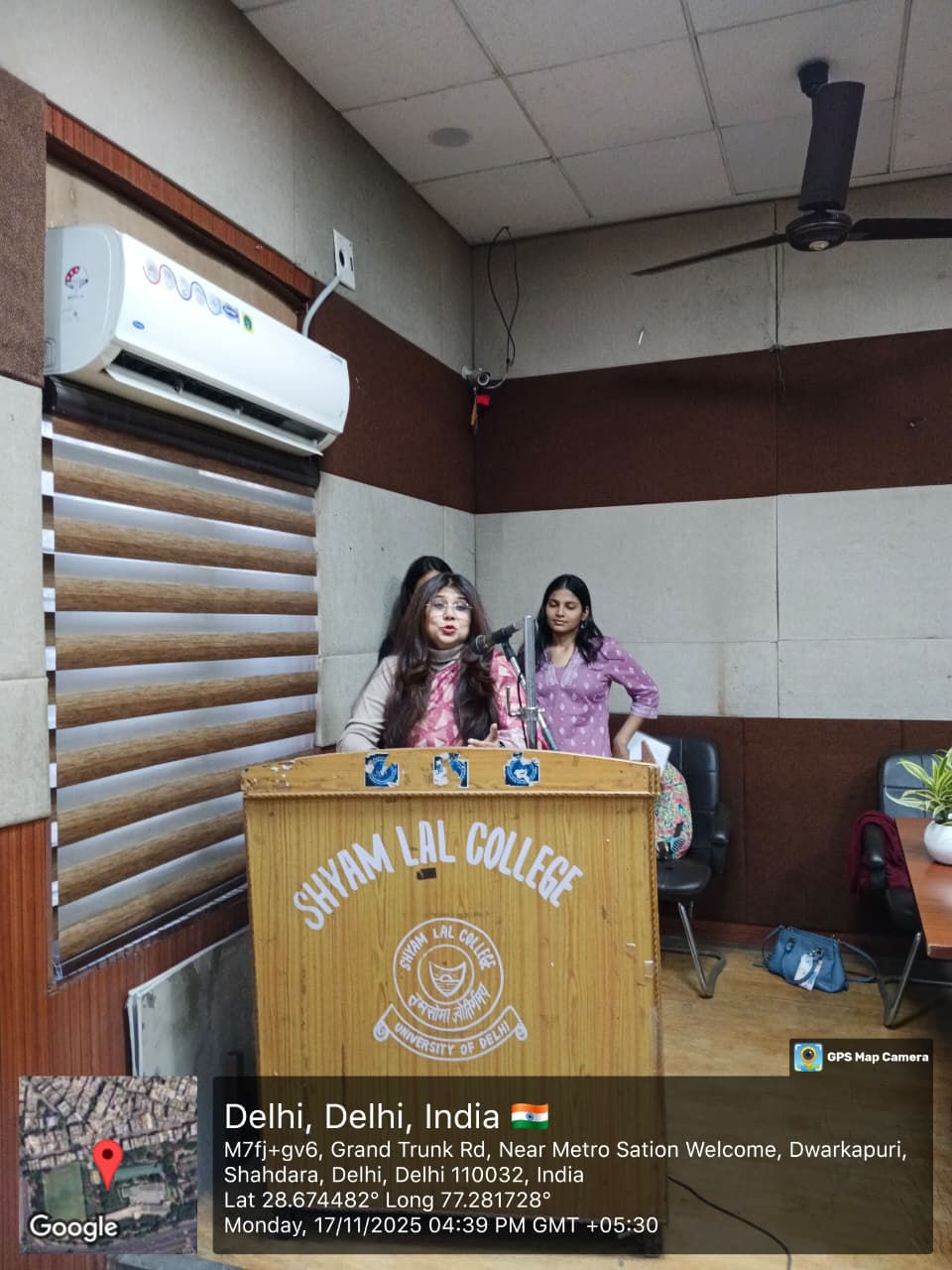
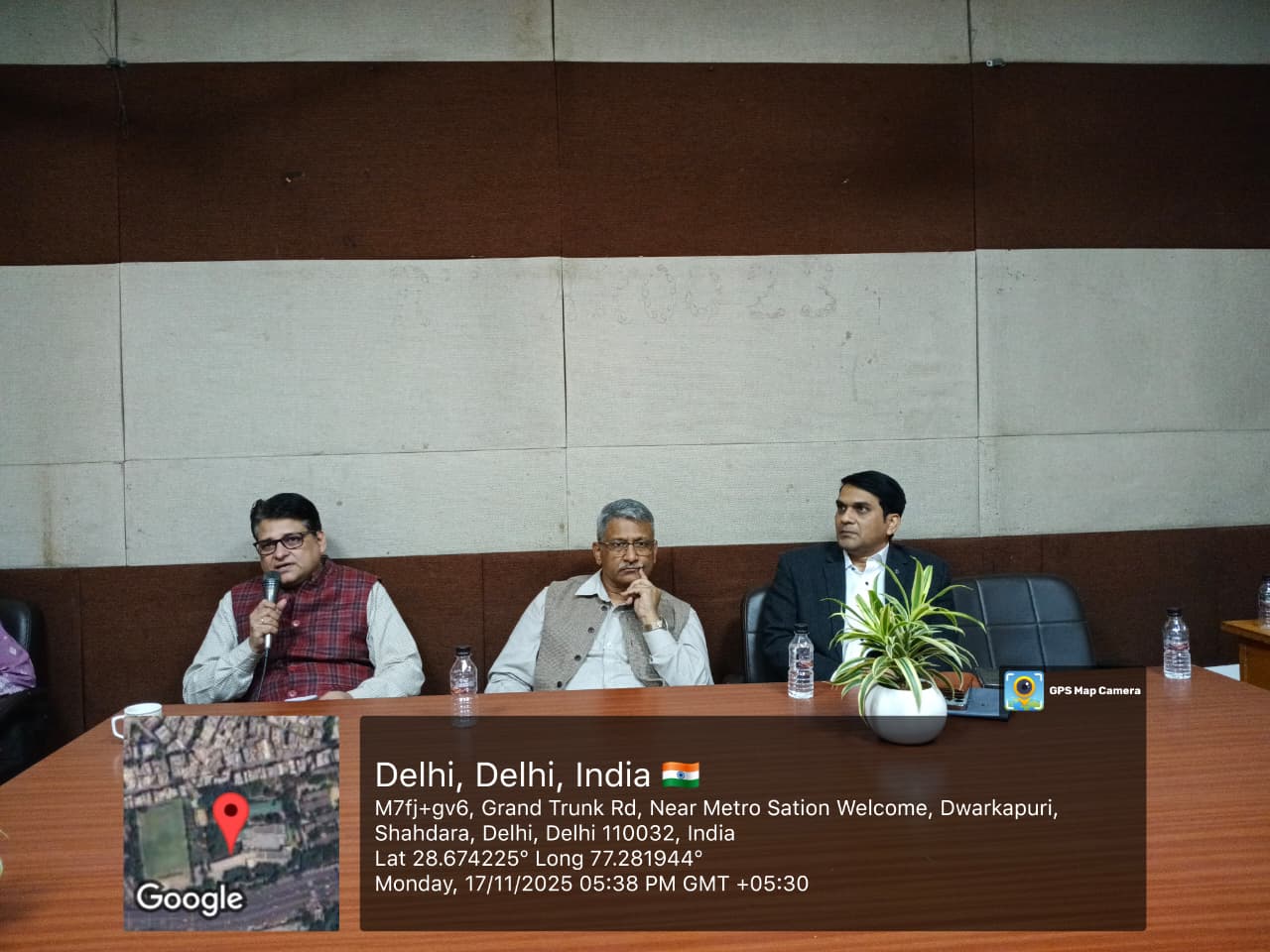
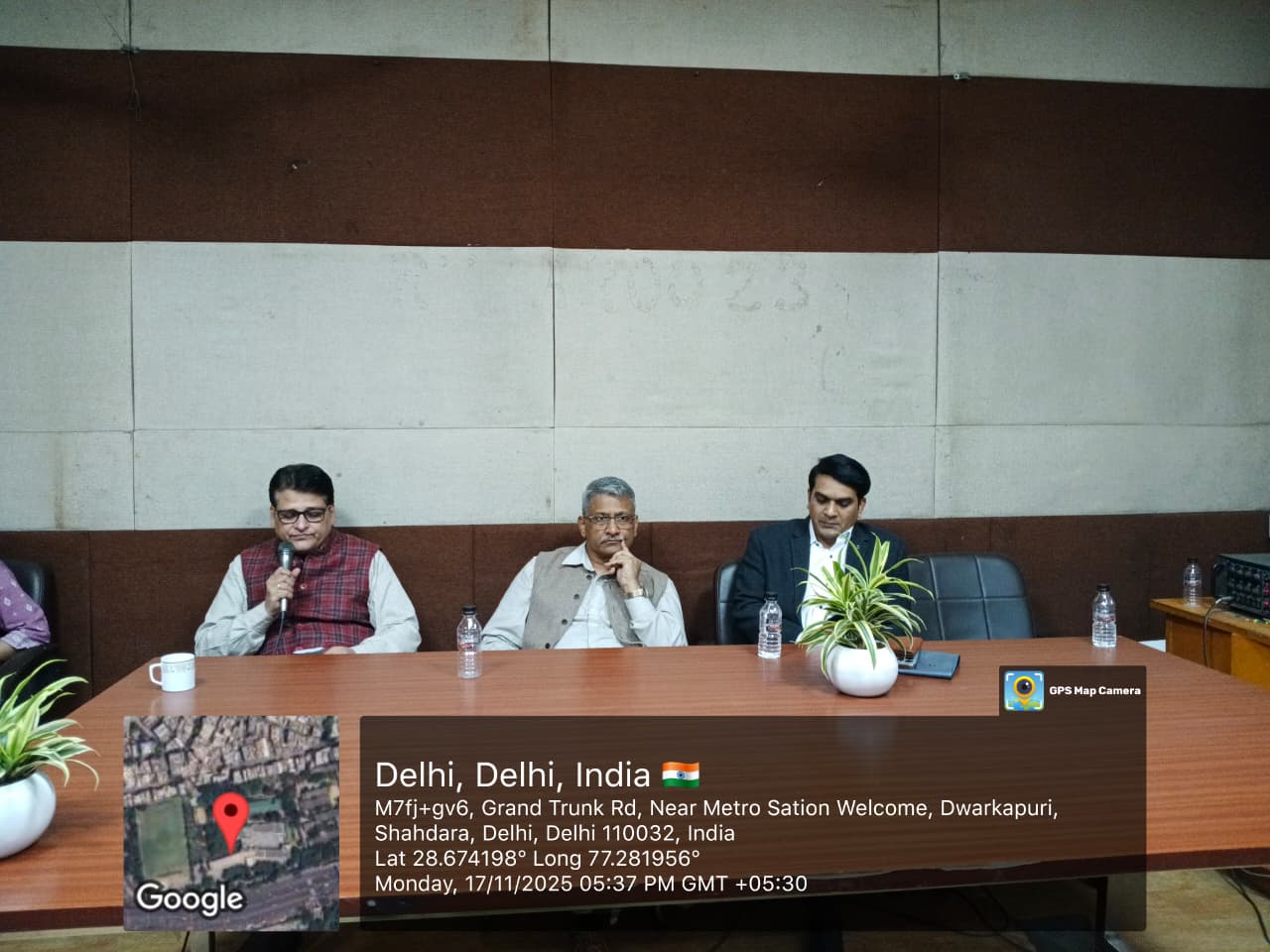
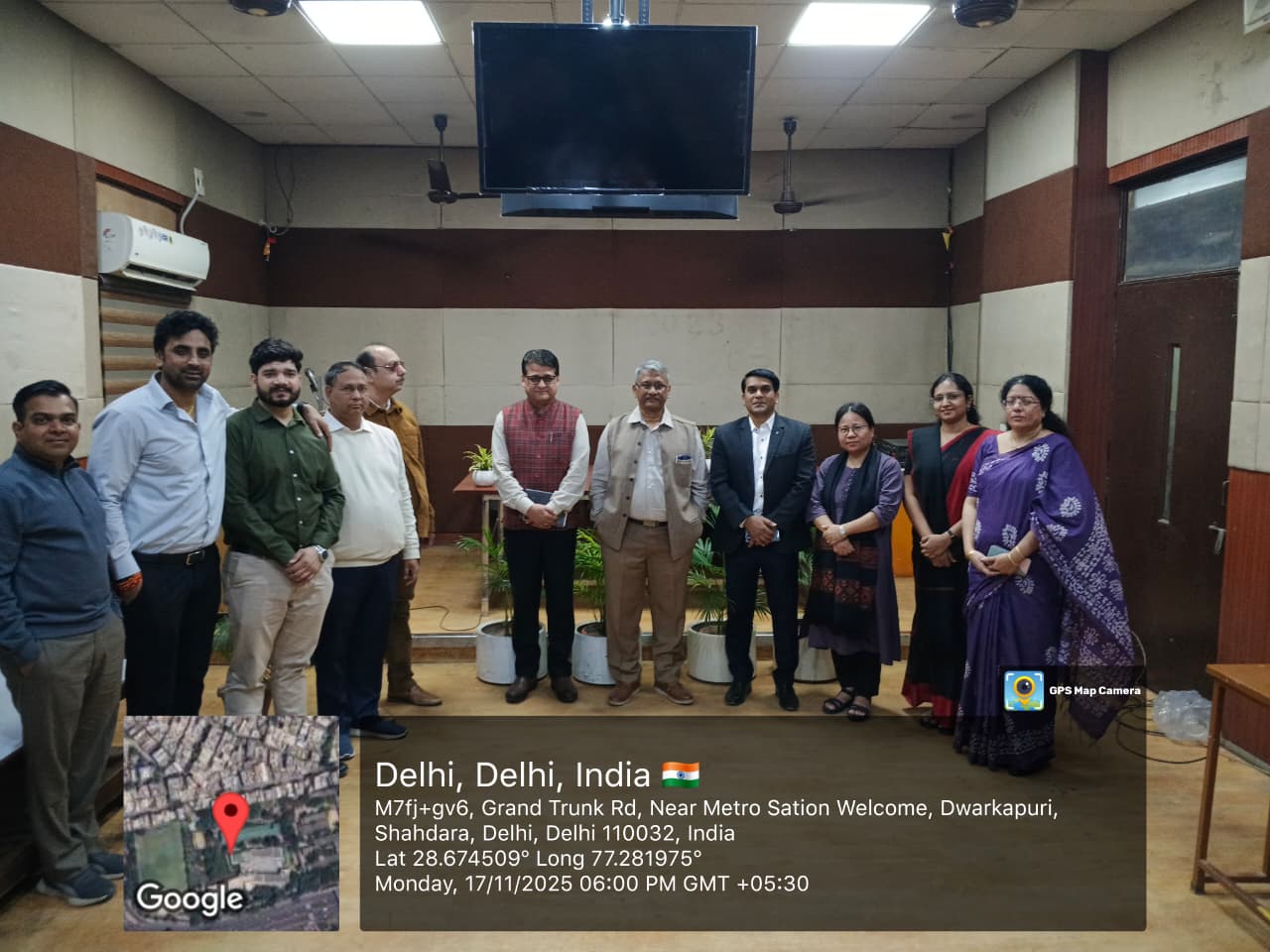
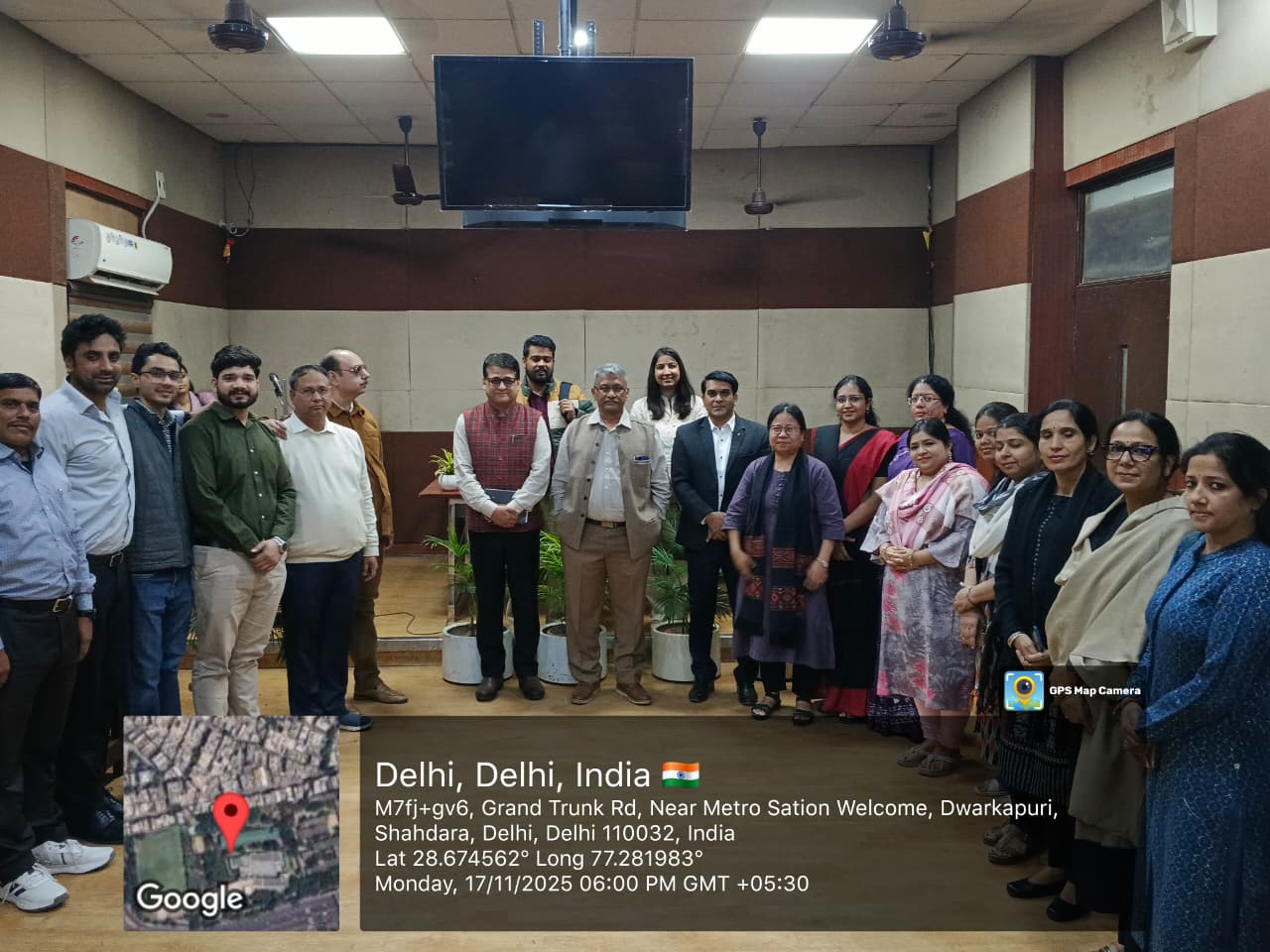
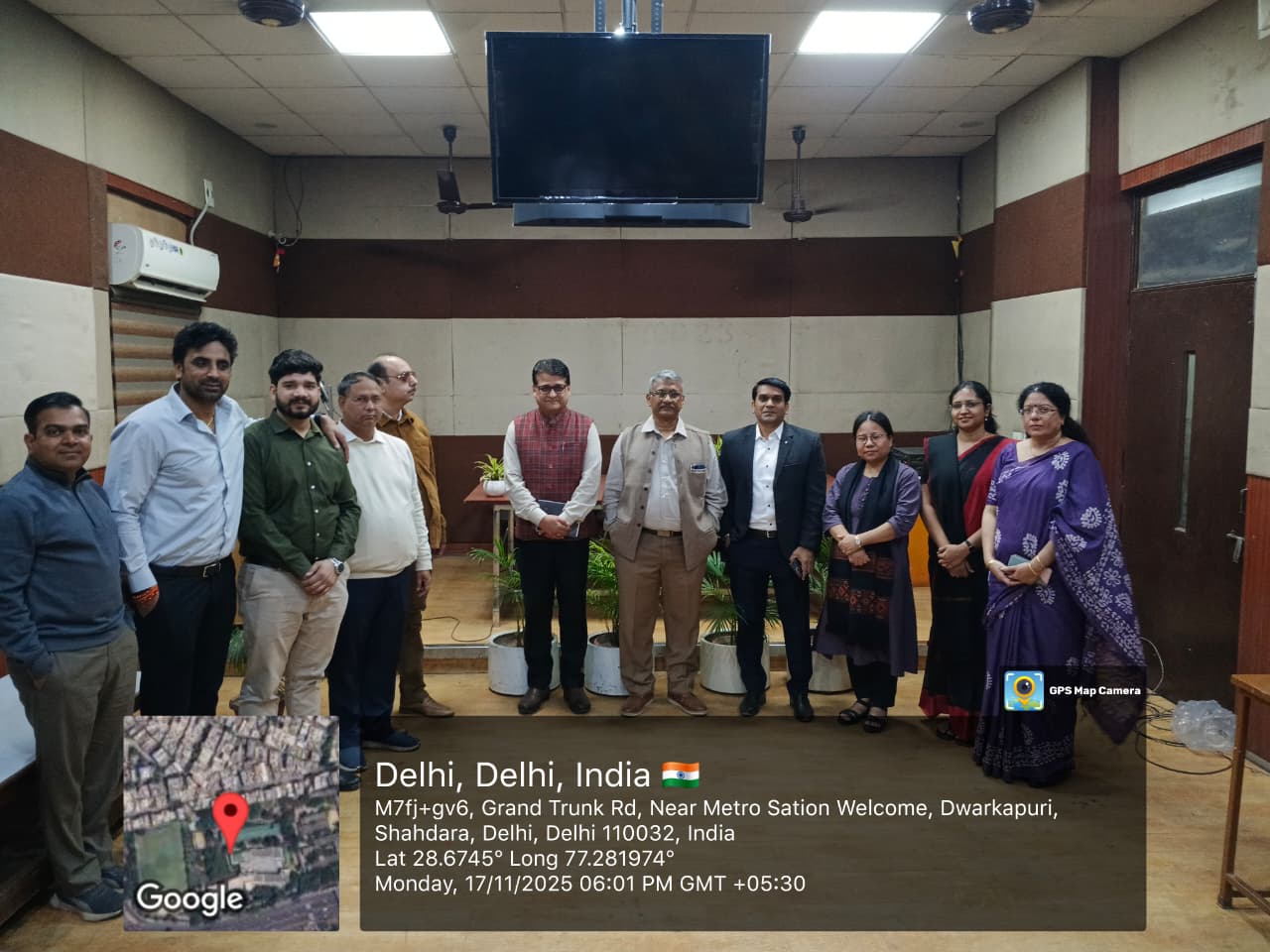
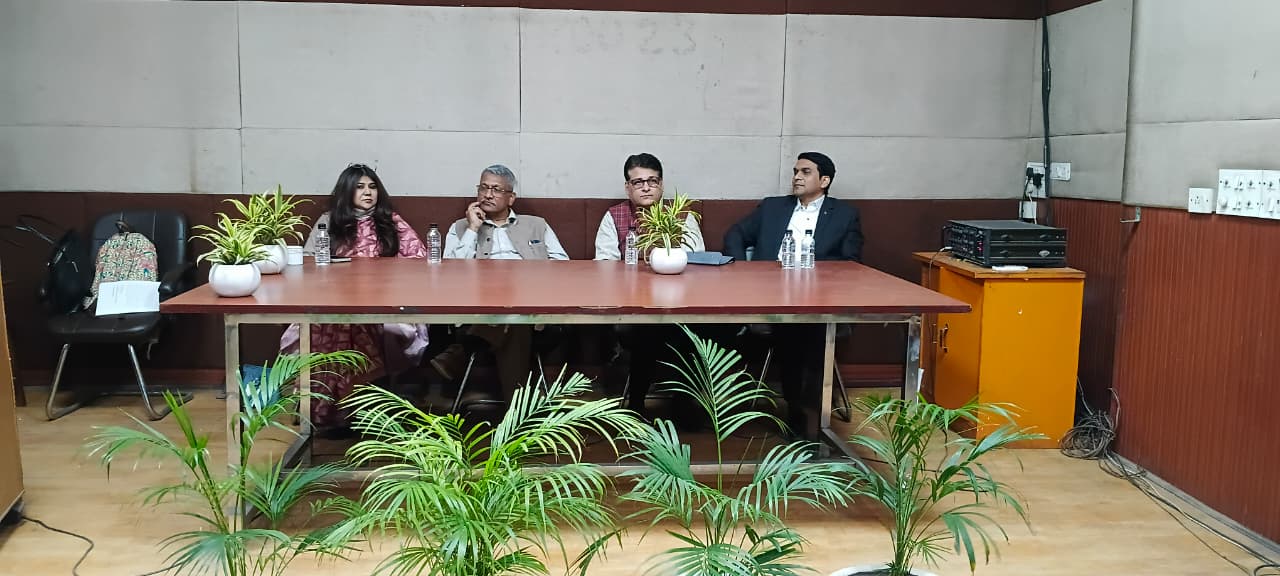
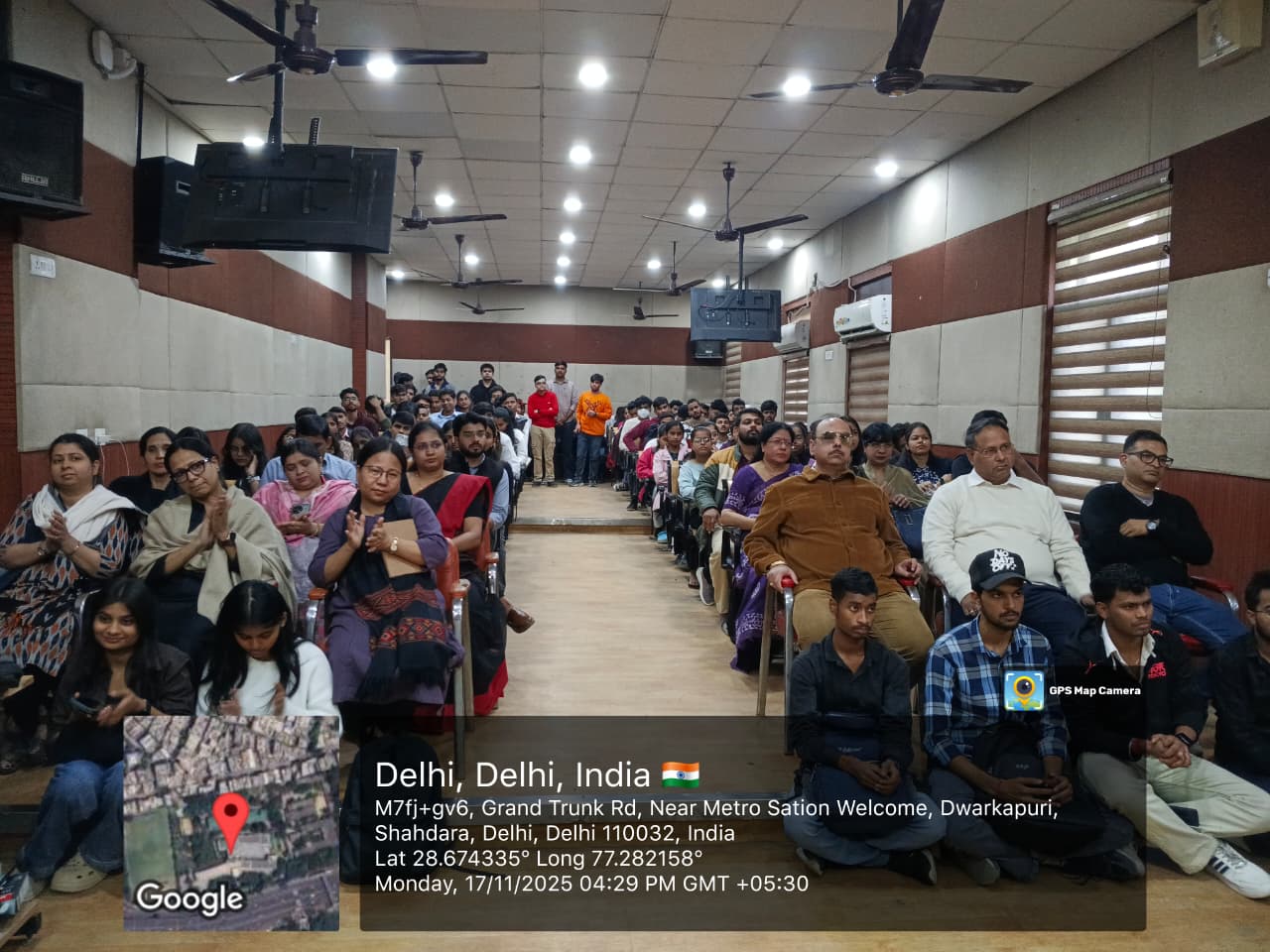
On 17th November, 2025 the Department of Political Science welcomed faculty, students, and scholars into the seminar room for an academic talk that proved both timely and thought provoking. The theme, “Strategic Autonomy vs. Strategic Partnership: India’s Tightrope Walk During the Trump Era”, captured the essence of India’s foreign policy dilemmas in a period marked by unpredictability and shifting global alignments. The gathering was chaired by Sr. Professor Rekha Saxena, Head of the Department of Political Science at the University of Delhi, whose presence lent distinction and authority to the occasion. The programme was held under the patronage of Professor Nachiketa Singh, Principal of Shyam Lal College (Evening), whose enthusiasm for Indo–US relations was evident in his warm encouragement and intellectual curiosity. The event was organised under the teacher in chargeship of Professor Ritesh Bhardwaj, whose efforts ensured the smooth and successful conduct of the session.
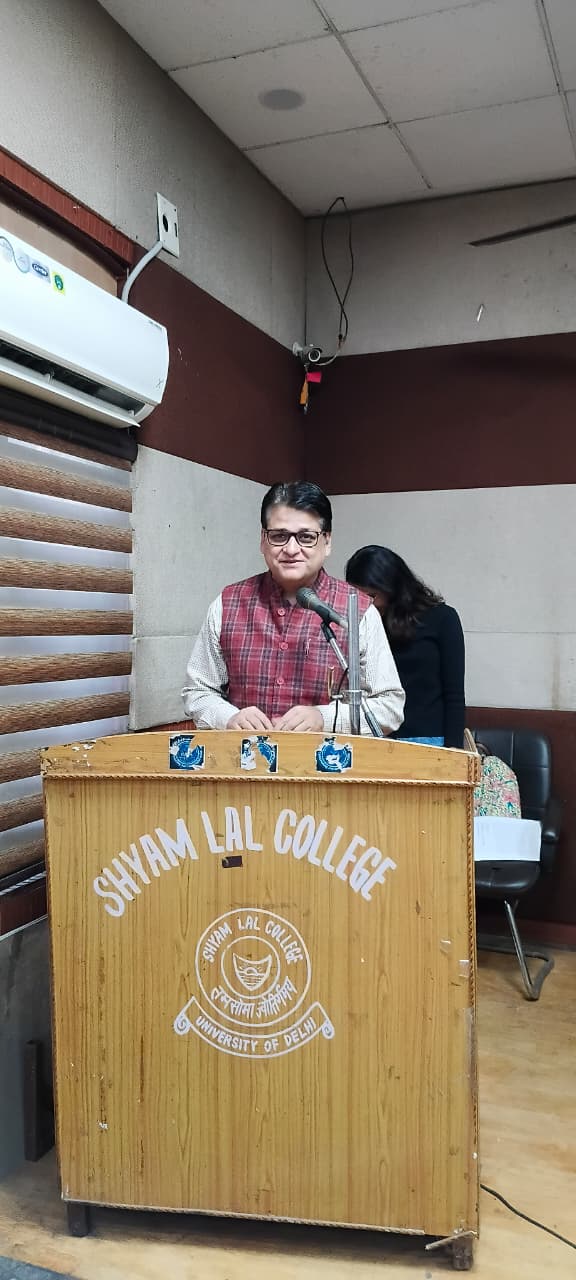
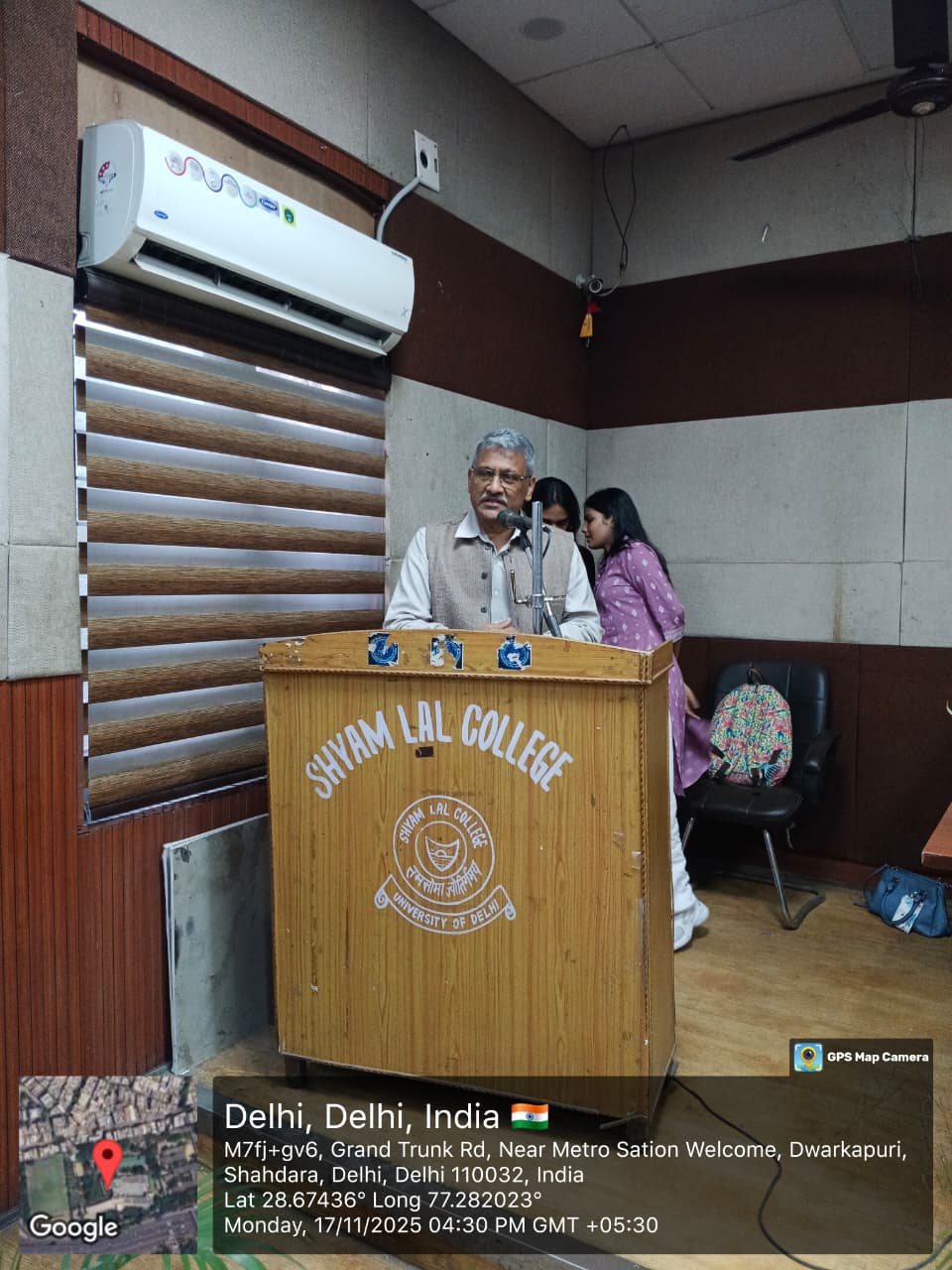
The lecture was delivered by Professor Harsh V. Pant, Visiting Professor at King’s College London, the Indian Institute of Management Bengaluru, and the University of Pennsylvania. Widely acknowledged as an authority on foreign policy and strategic studies, Professor Pant spoke with clarity and conviction, offering a penetrating analysis of India’s diplomatic manoeuvres during the Trump administration. He reminded the audience that India has long prided itself on strategic autonomy—the freedom to act independently in global affairs without being bound to the orbit of any single power. Yet, he observed, the Trump administration’s emphasis on countering China and strengthening the Indo Pacific framework created opportunities for India to deepen its partnership with Washington. This convergence opened avenues for defence cooperation, technology sharing, and closer diplomatic engagement. At the same time, Professor Pant likened India’s position to a tightrope walk: balancing its traditional non alignment with the pragmatic necessity of engaging the United States. Trade negotiations, defence procurements, and multilateral diplomacy all demanded careful calibration and India’s ability to navigate these challenges reflected both resilience and adaptability.
The lecture concluded with reflections on how India managed to safeguard its autonomy while simultaneously advancing a robust partnership with Washington. Professor Pant’s insights resonated deeply, leaving the audience with a richer understanding of the dilemmas and opportunities that defined India’s international relations in the Trump era. The session was intellectually stimulating and profoundly relevant, enriching academic discourse and inspiring critical engagement with the complexities of Indo–US relations. The Department of Political Science deserves commendation for organising such a memorable and meaningful event.